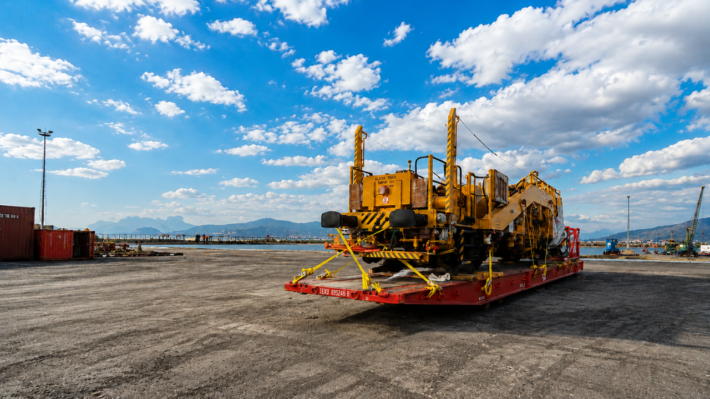
How to Prevent Cargo Delays & Ensure On-Time Delivery

In today’s fast-moving global supply chain, cargo delays are more than just an inconvenience — they can disrupt production schedules, impact cash flow, damage customer relationships, and increase operational costs. Whether shipping by air, sea, or land, on-time delivery is a critical performance indicator for any business involved in international trade.
While some delays are unavoidable, many can be prevented with the right planning, partners, and processes. Here’s how businesses can minimize cargo delays and keep shipments moving on schedule.
1. Incomplete Documentation
Late planning is one of the most common causes of cargo delays. Limited space, peak season congestion, and last-minute documentation issues can all derail a shipment.
Best practices include:
-
Booking shipments early, especially during high-demand periods
-
Planning alternative routes or modes when timelines are tight
-
Aligning production schedules with realistic transit times
Early planning gives freight forwarders more flexibility to secure capacity and avoid costly last-minute changes.
2. Ensure Accurate & Complete Documentation
Incorrect or missing paperwork is a leading cause of customs delays worldwide. Even a small error can result in inspections, penalties, or shipment holds.
To avoid this:
-
Double-check commercial invoices, packing lists, and HS codes
-
Ensure consistency across all shipping documents
-
Stay up to date with destination country regulations
Working with an experienced logistics partner ensures documents are prepared correctly and compliant with international trade requirements.
3. Choose the Right Mode of Transport
Not all cargo is suited for the same shipping method. Selecting the wrong mode can increase transit times or expose shipments to unnecessary risks.
Key considerations:
-
Air freight for urgent or high-value goods
-
Sea freight for cost-efficient bulk shipments
-
Land freight for regional or cross-border deliveries
A well-balanced multimodal strategy can optimize both speed and cost while reducing delay risks.
4. Understand Customs & Regulatory Requirements
Customs clearance is one of the most unpredictable stages of the shipping process. Regulations vary by country and are subject to frequent changes.
To prevent customs-related delays:
-
Confirm import/export restrictions in advance
-
Prepare permits, licenses, and certificates early
-
Work with brokers familiar with local regulations
A proactive customs strategy significantly reduces the likelihood of inspections and clearance delays.
5. Use Real-Time Shipment Tracking
Visibility is critical for preventing delays before they escalate. Real-time tracking allows businesses to monitor shipments and respond quickly to disruptions.
With proper tracking systems, you can:
-
Identify delays early
-
Reroute shipments if needed
-
Keep customers informed with accurate ETAs
Transparency improves decision-making and builds trust across the supply chain.
6. Account for Seasonal & Market Disruptions
Peak seasons, weather events, port congestion, and geopolitical factors can all affect transit times.
To stay ahead:
-
Factor in seasonal demand surges
-
Build buffer time into delivery schedules
-
Stay informed about global trade conditions
Experienced logistics providers actively monitor these risks and adapt shipping strategies accordingly.
7. Secure Cargo with Proper Packaging & Handling
Damaged or improperly packed cargo often leads to inspections, rework, or rejected shipments — all of which cause delays.
Make sure to:
-
Use packaging suitable for the cargo type
-
Follow carrier and international packing standards
-
Label shipments clearly and correctly
Proper handling from origin to destination reduces disruptions and protects delivery timelines.
8. Partner with a Reliable Freight Forwarder
Ultimately, preventing cargo delays comes down to working with the right logistics partner. A reliable freight forwarder does more than move goods — they anticipate problems, communicate clearly, and offer solutions before delays occur.
A strong partner provides:
-
End-to-end shipment coordination
-
Proactive problem-solving
-
Strong carrier and customs networks
This level of expertise ensures smoother operations and more predictable delivery outcomes.
Conclusion
While cargo delays can never be eliminated entirely, most can be significantly reduced through smart planning, accurate documentation, proactive monitoring, and experienced logistics support. Businesses that invest in these areas gain a competitive edge through faster, more reliable deliveries.
At LBX Logistics, we focus on precision, transparency, and proactive freight management — helping our clients move cargo efficiently and on time, even in complex global markets.

LBX Logistics is a Dubai-based logistics provider delivering reliable freight and supply chain solutions worldwide.