
Electric Vehicle Shipping Requirements in 2026: EV Transport Regulations and Compliance
Overview
Electric vehicles are rapidly expanding across global markets as governments push toward zero-emission transportation and automotive manufacturers accelerate EV production. As international demand grows, the number of electric vehicles moving through global supply chains continues to increase.
Unlike conventional vehicles, electric vehicles contain large lithium-ion battery systems that introduce additional safety considerations during transport. Because of these battery systems, electric vehicles are often regulated under international dangerous goods frameworks.
Manufacturers, exporters, and logistics providers must therefore understand the specific rules governing the transportation of electric vehicles. These requirements apply across multiple transport modes including ocean freight, air cargo, and road transport.
Understanding electric vehicle shipping requirements helps ensure safe handling, regulatory compliance, and efficient global EV logistics.
Why electric vehicle shipping is strictly regulated
Electric vehicles rely on high-capacity lithium-ion battery packs designed to store significant amounts of electrical energy. These batteries provide efficient power for electric mobility, but they also require careful handling during transportation.
Under certain conditions, lithium battery systems can experience a reaction known as thermal runaway. This occurs when excessive heat causes a chain reaction inside the battery, potentially resulting in fire or explosion.
Because of this potential risk, international transportation authorities have implemented strict regulations governing the movement of lithium battery powered vehicles. These rules are designed to reduce safety risks during cargo handling, loading, and transit across global supply chains.
Electric vehicle logistics therefore requires specialized knowledge of battery safety regulations and transport compliance procedures.
Dangerous goods classification for electric vehicles
Electric vehicles are typically classified under international transport regulations as UN3171 – Battery Powered Vehicle.
This classification applies to vehicles powered by lithium-ion batteries and other rechargeable battery systems. Passenger electric cars, electric motorcycles, scooters, and other battery powered mobility devices generally fall within this category.
The UN3171 classification ensures that carriers, freight forwarders, and cargo handlers understand the nature of the shipment and apply the appropriate safety procedures during transportation.
This classification may also influence how the vehicle is documented, handled, and secured during shipping operations.
Lithium battery safety considerations in EV transport
The lithium battery packs used in electric vehicles are significantly larger than the batteries found in consumer electronics. EV battery systems can weigh hundreds of kilograms and store large amounts of energy.
Because of their size and energy capacity, these batteries require special safety considerations during transportation. Protecting the battery from physical damage is essential, as impacts or structural damage could affect the battery system.
Cargo handlers and logistics providers must ensure that vehicles are securely positioned during transport to prevent movement or collisions. Proper handling procedures help maintain battery integrity and reduce transportation risks.
International safety standards also require that lithium batteries used in vehicles meet strict testing and certification requirements before they are transported.
Companies that ship lithium batteries separately must also comply with international safety standards governing battery transport, which are explained in detail in our Lithium Battery Shipping Requirements guide.
Air freight requirements for shipping electric vehicles
Air freight transport for electric vehicles is relatively uncommon due to strict aviation regulations governing lithium battery shipments. However, certain situations may require EVs to be transported by air.
Automotive manufacturers may ship prototype vehicles, concept vehicles, or high-value electric vehicles using air cargo services. These shipments must comply with international aviation safety regulations related to lithium battery transport.
Air carriers may require documentation confirming that the vehicle complies with dangerous goods regulations and that the battery system meets approved safety standards.
Because aviation authorities apply strict safety rules for lithium battery shipments, air transport of electric vehicles requires detailed planning and regulatory compliance.
Ocean freight regulations for electric vehicle shipping
Ocean freight is the most common method used for transporting electric vehicles internationally. Automotive manufacturers frequently ship EVs using specialized vehicle carrier vessels designed to transport large volumes of automobiles.
Electric vehicles transported by sea must comply with maritime safety standards that regulate the handling of battery powered vehicles. Shipping lines follow specific procedures to ensure vehicles are safely loaded, secured, and monitored during transit.
Container shipping may also be used for transporting electric vehicles, particularly for smaller shipments or high-value vehicles that require additional protection.
Maritime transport regulations help ensure that lithium battery powered vehicles are transported safely across international shipping routes.
Documentation requirements for EV shipments
Accurate documentation plays a critical role in the international transport of electric vehicles. Shipping documents must clearly identify the cargo and confirm that the vehicle complies with applicable safety regulations.
Transport documentation may include details regarding the vehicle classification, cargo description, and compliance with dangerous goods transport standards.
Providing accurate documentation helps carriers, port authorities, and customs agencies verify that the shipment meets regulatory requirements. Proper documentation also helps prevent delays or cargo rejection during international transport operations.
Challenges in global electric vehicle logistics
The rapid growth of electric vehicle production has introduced new complexities for global automotive logistics. Transporting vehicles that contain large lithium battery systems requires careful coordination across supply chains.
Logistics providers must ensure that EV shipments comply with evolving international regulations while maintaining safe transport conditions. As EV adoption continues to expand worldwide, logistics companies are investing in specialized expertise and infrastructure to support EV transport.
Managing electric vehicle logistics effectively requires collaboration between manufacturers, freight forwarders, carriers, and regulatory authorities.
How to ensure compliance when shipping electric vehicles
Ensuring compliance with international transport regulations is essential for safe electric vehicle shipping. Manufacturers and exporters must work closely with logistics providers experienced in handling battery powered vehicles.
Proper preparation of vehicles, accurate documentation, and adherence to international safety regulations help reduce transportation risks and prevent shipment delays. Experienced logistics partners can help ensure that EV shipments move smoothly through global supply chains.
As global electric vehicle adoption continues to grow, compliance with EV transport regulations will remain a critical component of international automotive logistics.
Electric vehicle logistics in the UAE
The UAE is becoming an important hub for global automotive distribution, particularly for electric vehicles entering the Middle East market. As EV adoption increases, specialized automotive logistics solutions are required to manage the transportation, storage, and international distribution of electric vehicles.
The United Arab Emirates is emerging as an important logistics hub for electric vehicle distribution across the Middle East. Government initiatives supporting sustainable transportation and clean energy have accelerated the adoption of EV technology throughout the region.
With advanced port infrastructure and strong global trade connectivity, the UAE plays a growing role in the international movement of electric vehicles. Logistics providers operating in the region increasingly support EV imports, exports, and regional distribution.
As electric vehicle demand continues to rise, the UAE is positioned to become a key center for EV logistics and supply chain operations.
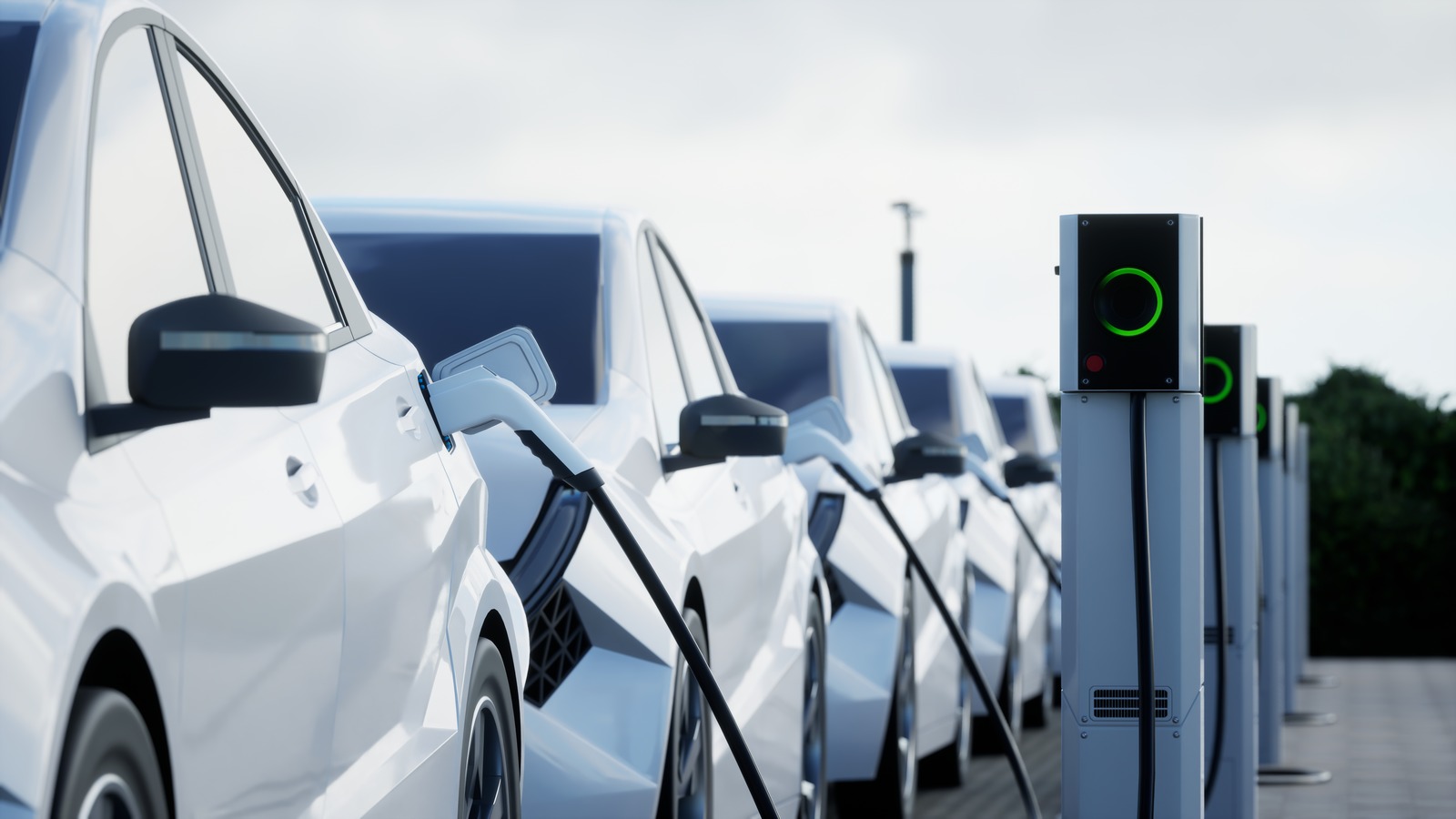
Electric vehicle logistics solutions
Specialized logistics for electric vehicles and lithium batteries with compliant transport and global distribution.
Conclusion
Electric vehicles are reshaping the global automotive industry and creating new requirements for international logistics operations. Because EVs contain large lithium battery systems, their transportation involves additional safety and regulatory considerations.
Understanding electric vehicle shipping requirements is essential for manufacturers, exporters, and logistics providers involved in global EV supply chains. By following international regulations and working with experienced logistics partners, companies can ensure the safe and efficient movement of electric vehicles across global markets.
Electric Vehicle Lithium Battery Shipping Requirements for 2026
Learn about lithium battery shipping requirements for 2026. Understand UN3480 rules, SoC limits, air and sea freight regulations, and how to stay compliant.
Frequently Asked Questions
Electric vehicles contain large lithium battery systems that store significant amounts of energy. Because lithium batteries can pose safety risks during transport, international regulations require additional precautions for EV shipping.
Electric vehicles may fall under dangerous goods regulations because they contain lithium-ion battery systems. Many EVs are classified as UN3171 battery powered vehicles during transport.
Electric vehicles can be shipped internationally using ocean freight, container shipping, or specialized vehicle carrier vessels. Shipments must comply with international transport regulations.
Although uncommon, electric vehicles can be transported by air in specific situations such as prototype shipments or urgent deliveries. These shipments must follow strict aviation safety regulations for lithium battery transport.
Get a quote for EV shipping
Need a trusted partner for electric vehicle transport or lithium battery compliance? We provide fast, safe, and fully compliant logistics solutions worldwide, designed to fit your operational needs.