
How to Ship a Truck from China to UAE: Cost, Process and Import Requirements
May 07, 2026 | LBX LOGISTICS
Overview
Shipping trucks from China to the UAE has become increasingly common as businesses across construction, transport, logistics, and industrial sectors continue sourcing vehicles directly from Chinese manufacturers.
However, shipping a truck internationally is significantly more complex than shipping standard cargo. The process involves oversized cargo handling, vessel selection, customs clearance, import regulations, and specialized loading arrangements that directly affect both cost and transit time.
Many truck shipments from China to United Arab Emirates are delayed not because of ocean transit, but because of incorrect planning before the cargo reaches the port.
Understanding how truck shipping actually works is critical to avoiding unexpected charges, customs delays, and operational disruption.
Truck Shipping Cost from China to UAE
The cost to ship a truck from China to the UAE depends primarily on the truck’s dimensions, operational condition, shipping method, and departure port.
Operational trucks are commonly shipped using RoRo vessels because the vehicle can be driven directly onto the ship. This is usually the most cost-effective solution for standard commercial trucks.
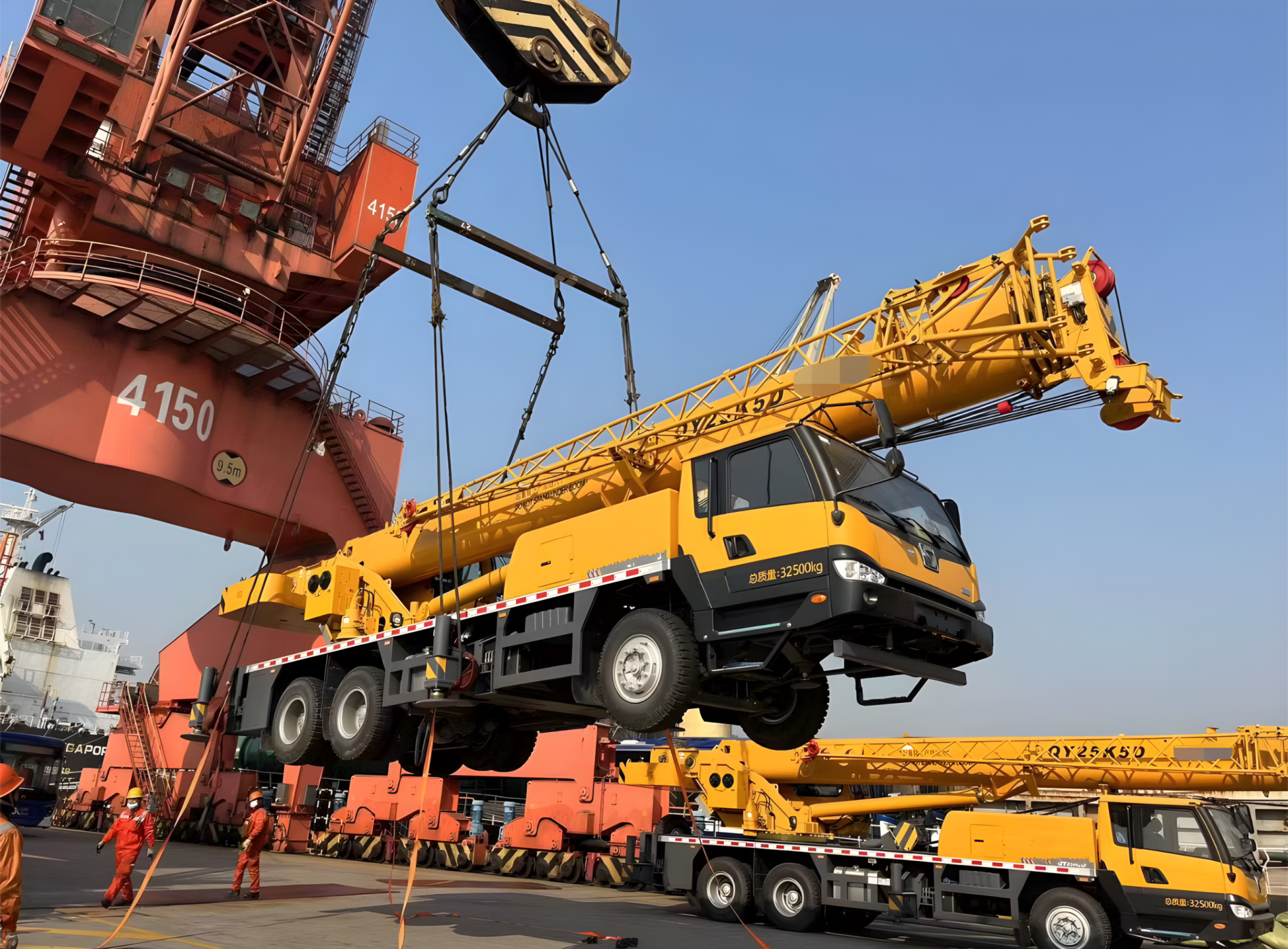
Oversized trucks, non-operational vehicles, and specialized equipment often require flat rack or breakbulk shipping, where the cargo must be lifted and secured individually using cranes and heavy handling equipment. These methods involve significantly higher handling costs.
In addition to ocean freight, the total shipping cost may include:
- origin port handling
- export customs clearance
- destination port charges
- customs duties and VAT in UAE
- inland transport after arrival
Many importers underestimate destination costs, especially storage and handling charges that occur when shipments are delayed at port.
Best Shipping Method for Trucks from China
Choosing the correct shipping method is one of the most important decisions in truck logistics.
RoRo shipping is generally preferred for running trucks because loading is faster and handling risk is lower. The truck is driven directly onto the vessel and secured for sea transit.
Flat rack shipping is used when truck dimensions exceed standard vessel limitations or when cargo cannot move under its own power. In these cases, the truck is loaded using cranes and secured externally.
Breakbulk shipping is usually reserved for extremely oversized or heavy units that cannot move through standard RoRo operations.
Selecting the wrong method often leads to rejected bookings, additional handling costs, or loading delays at origin port.
Transit Time from China to UAE
Transit time depends on origin port, vessel schedule, and shipping mode.
Truck shipments commonly depart from ports such as Shanghai, Ningbo, and Guangzhou before arriving at Jebel Ali Port.
RoRo shipments are generally faster because vessel handling is more direct. Flat rack and breakbulk shipments often require additional coordination and port handling, which can extend total shipment time.
However, sea transit alone does not determine delivery timing. Delays usually occur during export preparation or customs clearance after arrival.
Importing Trucks into UAE
Importing trucks into the UAE requires accurate customs declaration and supporting documentation.
The truck must be declared with correct specifications, including chassis number, dimensions, weight, and declared value. Customs authorities inspect high-value vehicle shipments carefully, especially when documentation is incomplete or inconsistent.
Import duty and VAT are calculated based on customs valuation, and discrepancies between declared value and inspection findings may result in reassessment or delay.
Used trucks may also face additional checks depending on condition and intended registration within the UAE.
Why Truck Shipments from China Get Delayed
Most delays happen before the truck is loaded onto the vessel.
Incorrect dimensions, missing export documentation, and inaccurate cargo specifications are among the most common causes. Oversized cargo that is not declared correctly may require revised loading arrangements or different vessel allocation.
At destination, delays are usually linked to customs clearance issues, incomplete import documentation, or discrepancies identified during inspection.
Because trucks are high-value cargo, even small administrative errors can lead to major delays and additional costs.
Major China ports for truck exports to UAE
China has several major export ports handling commercial truck shipments to Dubai and the UAE. The selected export port depends on the truck supplier location, inland transport planning, and vessel availability.
One of the largest commercial shipping hubs globally and a major gateway for heavy equipment exports.
Widely used for industrial cargo and commercial truck exports.
Common for southern China manufacturing exports.
Handles heavy machinery, trucks, and industrial cargo.
Used extensively for project cargo and oversized industrial vehicle shipments.
Customs Clearance for Trucks in UAE
Customs clearance is one of the most important stages of truck import into the UAE.
Upon arrival, the shipment must pass customs verification before release. Documentation must match the physical truck exactly, including chassis details and declared specifications.
If customs identifies inconsistencies, the shipment may be held for inspection or reassessment. Once this happens, storage and handling charges begin accumulating at port.
Efficient customs clearance depends entirely on preparation before shipment departure from China.
Common Problems When Shipping Trucks from China to UAE
One of the biggest mistakes importers make is assuming truck shipping works like container freight.
Truck logistics involves:
- oversized cargo coordination
- vessel compatibility
- lifting and securing requirements
- specialized customs processing
When cargo preparation is incomplete, the shipment becomes operationally difficult before it even leaves origin.
Unexpected costs usually come from delays, re-handling, and incorrect booking information rather than the ocean freight itself.
How Truck Shipping from China to UAE Is Managed Efficiently
Successful truck shipping starts with accurate cargo assessment before booking.
Truck dimensions, operational condition, and handling requirements must be confirmed in advance to select the correct shipping method. Export and import documentation must be aligned before cargo reaches the port.
Coordination between shipper, carrier, port operators, and customs authorities is essential because oversized vehicle shipments require multiple operational stages to align precisely.
When planning is completed correctly from the start, truck shipments move efficiently from China to the UAE without disruption.
Conclusion
Shipping a truck from China to the UAE is not simply a freight booking. It is a specialized logistics operation involving oversized cargo handling, customs compliance, vessel planning, and coordinated port operations.
Most delays and unexpected costs are caused by incorrect preparation before shipment, not by ocean transit itself. Understanding these requirements is what ensures the shipment moves efficiently from origin to destination.
Frequently Asked Questions
Shipping cost depends on truck size, shipping method, origin port, and handling requirements. RoRo is usually cheaper than flat rack or breakbulk shipping.
RoRo shipping is generally the most cost-effective option for operational trucks.
Transit time depends on vessel schedule and origin port, but customs clearance and handling also affect total delivery time.
Yes, but the truck must comply with UAE import and registration requirements.
Commercial invoice, export customs documents, ownership details, and import clearance paperwork are typically required.