
Jeddah to Dubai Breakbulk Shipping: Cost, Transit Time, Process and Common Delays
Overview
Breakbulk shipping from Jeddah to Dubai is widely used for heavy equipment, oversized cargo, and project shipments moving between Saudi Arabia and the UAE. On paper, the route is short and straightforward. In practice, it is one of the most coordination-heavy movements in regional logistics.
The main challenge is not distance or transit time. It is how the cargo is prepared, handled, and positioned for loading at origin, and how it is received at destination. When planning is incomplete, even a short sea route turns into a delayed and expensive shipment.
This is why most issues in breakbulk shipping do not happen at sea. They happen at the port.
Breakbulk shipping from Jeddah: What happens before loading
All breakbulk cargo moving through Jeddah Islamic Port must be planned in advance before it is accepted for loading.
Unlike containers, breakbulk cargo cannot be standardized. Each unit must be assessed individually based on weight, dimensions, lifting points, and center of gravity. This information is required before the vessel even confirms space.
If cargo arrives at port without confirmed lifting arrangements or accurate specifications, it may not be accepted for the scheduled vessel. This is one of the most common causes of delay on the Jeddah to Dubai route.
In many cases, cargo is physically ready, but operationally not prepared for loading.
Documentation requirements for breakbulk cargo
Breakbulk shipping requires precise documentation that reflects the cargo exactly as it will be handled.
Dimensions, weight, and cargo description must match reality, not estimates. Any mismatch between declared and actual cargo leads to re-measurement at port, which delays loading schedules and may affect vessel planning.
For project cargo and industrial equipment, additional documentation may also be required depending on cargo type and destination regulations. Missing or incomplete information often results in cargo being held before loading.
Breakbulk shipping cost from Jeddah to Dubai
Breakbulk shipping cost on this route is not fixed and cannot be compared to container rates.
Pricing is based on cargo characteristics rather than standard units. Weight, volume, lifting requirements, and handling complexity all influence the final cost. Crane usage, port handling, and labor are major cost drivers, often exceeding the ocean freight portion itself.
Unexpected costs usually come from delays. Storage charges at origin, missed vessel cut-offs, and re-handling fees can significantly increase the total shipment cost if planning is not completed correctly.
Transit time from Jeddah to Dubai for breakbulk cargo
Transit time between Jeddah and Dubai is relatively short, but total shipment time depends more on port operations than sailing duration.
Delays typically occur before loading or after arrival, not during sea transport. If cargo misses its planned vessel due to documentation or handling issues, it may wait for the next available sailing, which extends timelines.
This is why transit time for breakbulk cargo cannot be measured only by sea days. It must include handling and coordination time at both ends.
Breakbulk cargo handling in Dubai
Upon arrival at Jebel Ali Port, breakbulk cargo is discharged using cranes and specialized equipment similar to origin handling.
Cargo must be pre-planned for unloading, including lifting arrangements and transport from port to final destination. If receiving coordination is not in place, cargo may remain at port, leading to storage and handling charges.
Customs clearance in Dubai is generally efficient, but only when documentation matches cargo details exactly. Any discrepancy leads to inspection and delays in release.
Why breakbulk shipments get delayed on this route
Breakbulk shipping delays are almost always linked to preparation, not transport.
Incorrect cargo dimensions, missing lifting plans, incomplete documentation, and lack of coordination between shipper, port, and vessel operator are the main causes. Because breakbulk cargo is handled individually, there is no margin for approximation.
When information is not accurate from the start, the shipment cannot move as planned.
How breakbulk shipments are managed efficiently
Efficient breakbulk shipping starts before the cargo reaches the port.
Accurate cargo specifications must be confirmed, lifting and handling plans must be arranged, and documentation must reflect the shipment exactly. Vessel booking must be aligned with cargo readiness, not assumed timelines.
Coordination between all parties involved is what ensures the cargo moves without disruption. Once the cargo is at port, changes become costly and difficult to implement.
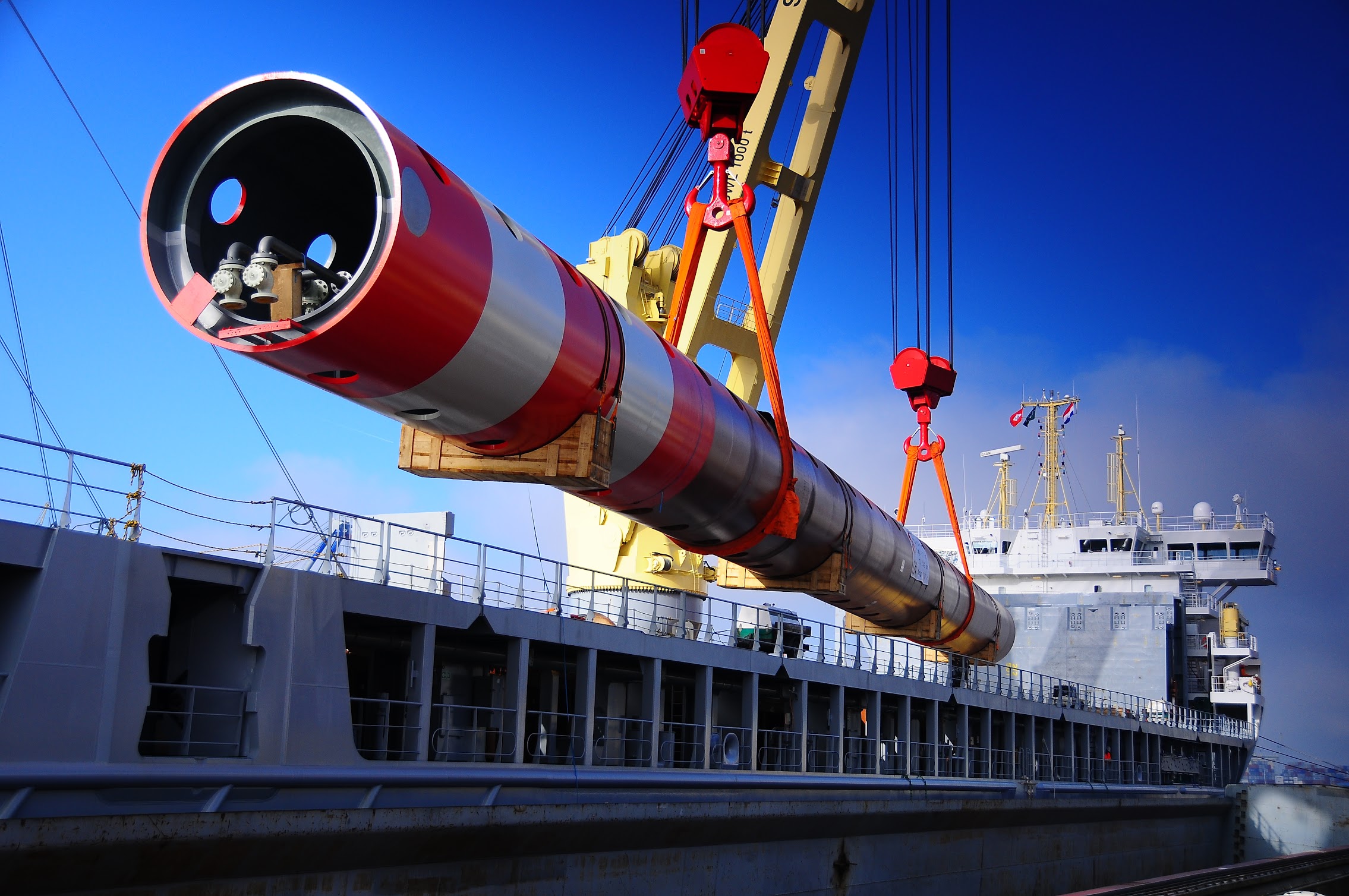
Project Logistics
Move heavy, oversized, and high-value cargo through the world’s most demanding routes with LBX’s expert engineering, risk management, and chartering solutions.
Conclusion
Jeddah to Dubai breakbulk shipping is not defined by distance, but by execution. The route is short, but the operational requirements are high.
Most delays and cost increases are caused by incomplete planning before loading. When cargo preparation, documentation, and coordination are handled correctly, breakbulk shipments can move efficiently across this route without unnecessary delays.
Frequently Asked Questions
Cost depends on cargo weight, dimensions, and handling requirements. Crane usage, port handling, and delays are the main cost drivers.
Sea transit is short, but total time depends on port handling, vessel availability, and customs clearance.
Accurate cargo dimensions, weight, lifting plans, and complete documentation are required before booking and loading.
Yes. Packaging must match the type of part being shipped. Heavy components require secure blocking and bracing, while sensitive parts such as electronics require protective packaging to prevent damage during transit.
Breakbulk is used when cargo cannot fit into containers. It is not an alternative but a requirement for oversized or heavy cargo.