Sea Freight in UAE: The Complete 2026 Guide to FCL, LCL & Global Shipping
Understanding Sea Freight in Dubai
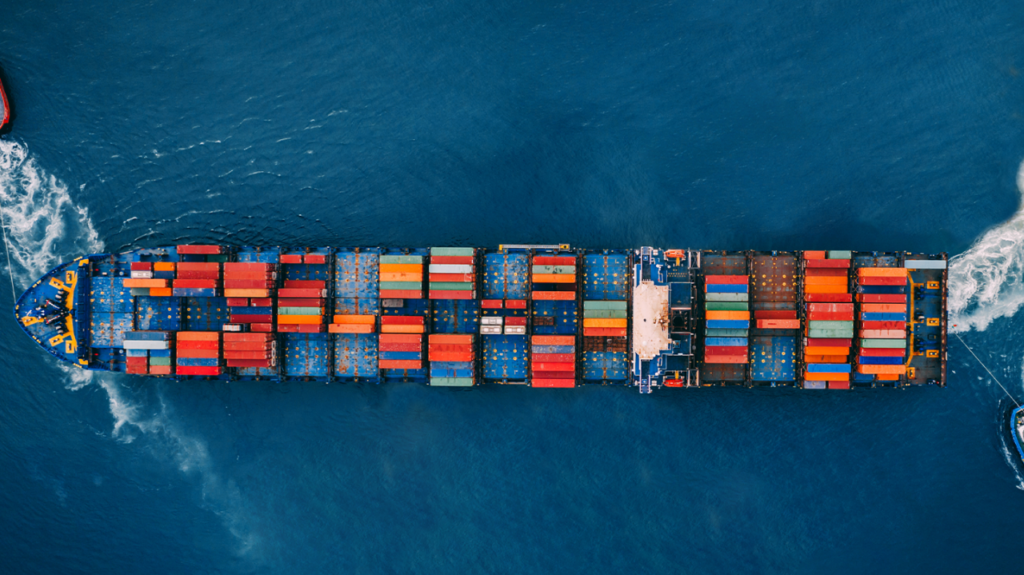
Sea freight remains the backbone of international trade and continues to be the most cost-efficient method for transporting large volumes of cargo worldwide. For businesses operating in Dubai and across the UAE, sea freight plays a critical role in connecting regional markets with Asia, Europe, Africa, and the Americas. With the strategic positioning of Jebel Ali Port, Dubai has become one of the most important maritime logistics hubs globally, handling millions of containers annually.
Companies that rely on sea freight Dubai services benefit from lower transportation costs per unit, flexibility in container types, and the ability to move oversized, heavy, or project cargo that would otherwise be impossible via air freight. While transit times are longer compared to air transport, the cost efficiency and scalability make sea freight the preferred option for commercial shipments.
FCL vs LCL: Choosing the Right Container Option
When shipping via sea freight from Dubai, businesses typically choose between Full Container Load (FCL) and Less than Container Load (LCL). FCL means the shipper uses an entire container exclusively for their cargo. This option is ideal for high-volume shipments, sensitive goods requiring reduced handling, or companies that want faster transit since the container moves directly from origin to destination without consolidation delays.
LCL, on the other hand, allows multiple shippers to share space within a single container. This solution is cost-effective for smaller shipments that do not require a full container. However, because cargo is consolidated and deconsolidated at origin and destination, transit times may be slightly longer. Choosing between FCL and LCL depends on shipment volume, budget, urgency, and cargo sensitivity.
Major Trade Routes from Dubai
Sea freight Dubai operations connect directly to major global trade lanes. Frequent sailings operate between the UAE and China, India, Southeast Asia, Europe, East Africa, and North America. Transit times vary depending on carrier schedules, routing, and seasonal congestion, but Dubai’s port infrastructure allows for consistent vessel departures and reliable connections.
The port infrastructure in Dubai is built to accommodate ultra-large container vessels, specialized cargo ships, and roll-on/roll-off vessels for vehicles and machinery. This flexibility enables exporters and importers to manage diverse commodity types ranging from consumer goods and electronics to construction materials and heavy industrial equipment.
Cost Structure of Sea Freight
Sea freight pricing is influenced by several operational factors. Ocean freight rates fluctuate depending on global demand, fuel prices, peak seasons, and container availability. In addition to base freight rates, businesses must account for terminal handling charges, documentation fees, customs clearance costs, inland transport, and potential inspection charges.
While sea freight is generally more affordable than air freight for heavy cargo, accurate planning and documentation are essential to avoid unexpected fees. Working with an experienced logistics provider ensures transparency in cost breakdowns and helps optimize shipment planning.
Customs Clearance and Compliance
All sea freight shipments entering or leaving the UAE must undergo customs clearance procedures. Proper documentation including commercial invoices, packing lists, bills of lading, and certificates of origin must be prepared accurately to avoid delays. Compliance with UAE regulations, restricted commodity lists, and destination country requirements is critical.
Efficient customs processing reduces demurrage and storage charges at port facilities. Businesses engaged in regular sea freight operations benefit significantly from professional coordination between freight forwarding teams and customs authorities.
Cargo Types Suitable for Sea Freight
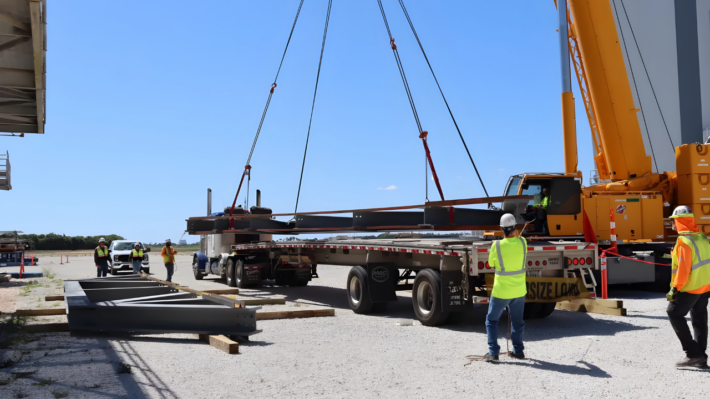
Sea freight Dubai services accommodate a wide range of cargo types including general merchandise, consumer products, automotive parts, construction materials, heavy machinery, project cargo, and temperature-controlled goods using refrigerated containers. For oversized shipments, flat rack or open-top containers provide flexibility in loading non-standard dimensions.
The scalability of sea freight makes it suitable for both small and multinational enterprises seeking consistent supply chain performance.
Risk Management and Cargo Protection
Although sea freight is highly reliable, long transit times require appropriate cargo protection strategies. Marine insurance, secure container sealing, moisture control, and proper packaging are essential components of risk management. Professional cargo handling and route planning minimize exposure to delays and environmental risks.
Why Businesses Choose Sea Freight in Dubai
Companies operating in regional and international markets select sea freight due to its balance between cost efficiency and volume capacity. For non-urgent cargo, large shipments, and strategic inventory planning, sea freight provides predictable and scalable logistics performance.
Dubai’s advanced port facilities, customs efficiency, and multimodal connectivity further strengthen its position as a leading maritime logistics gateway.
Frequently Asked Questions
FCL refers to a full container used exclusively by one shipper, while LCL allows multiple shippers to share container space. FCL offers faster handling and less risk of cargo mixing, while LCL is more economical for smaller shipments.
Transit times depend on destination and route. GCC shipments may take a few days, while Europe typically ranges from two to four weeks and Asia between one and three weeks depending on port schedules.
Sea freight is generally more cost-effective for heavy, bulky, or high-volume shipments. Air freight offers faster delivery but at a significantly higher cost per kilogram.
Common documents include a commercial invoice, packing list, bill of lading, and certificate of origin. Additional permits may be required depending on the commodity and destination.
Yes, sea freight supports oversized and project cargo using specialized containers such as flat racks and open-top units designed for non-standard dimensions.
Connect with an Expert
LBX Logistics delivers reliable, cost-efficient sea freight solutions that connect your cargo to global markets with precision and control. From full container loads to complex international shipments, we manage every stage of ocean transport to ensure your goods move safely, on time, and without disruption.

LBX Logistics is a Dubai-based logistics provider delivering reliable freight and supply chain solutions worldwide.