
Freight Forwarding in Dubai, UAE – The Complete 2026 Industry Guide
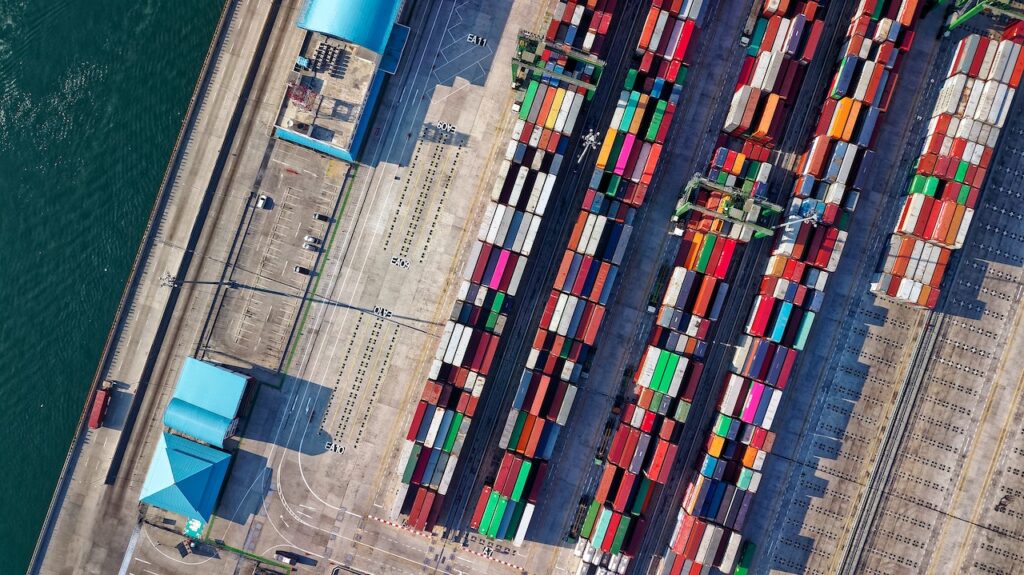
Dubai has established itself as one of the world’s most powerful global trade hubs. Positioned strategically between Asia, Europe, and Africa, the emirate handles millions of tons of cargo annually through Jebel Ali Port and Dubai International Airport.
For businesses importing or exporting goods, freight forwarding in Dubai plays a critical role in ensuring cargo moves efficiently, compliantly, and cost-effectively across international borders.
This complete guide explains everything you need to know about freight forwarding in the UAE — including processes, costs, timelines, shipping modes, documentation, and how to choose the right freight forwarder.
What Is Freight Forwarding?
Freight forwarding is the coordination and shipment of goods from origin to destination using one or multiple transportation modes — air, sea, land, or rail.
A freight forwarder acts as a logistics intermediary between the shipper and carriers. Instead of dealing directly with airlines, shipping lines, trucking companies, and customs authorities, businesses rely on a freight forwarding company to manage the entire shipping process.
Core responsibilities include:
-
Carrier booking and rate negotiation
-
Export documentation
-
Import customs clearance
-
Cargo insurance coordination
-
Warehousing and storage
-
Consolidation and deconsolidation
-
Final mile delivery
In Dubai, freight forwarders operate under regulatory frameworks that include compliance with Dubai Customs.
Why Dubai Is a Global Freight Hub
Dubai’s logistics dominance is driven by several factors:
1. Strategic Geographic Location
Dubai connects Eastern and Western markets within 4–8 flight hours.
2. Advanced Port Infrastructure
Jebel Ali Port is the largest port in the Middle East and one of the busiest container ports globally.
3. World-Class Air Cargo Facilities
Dubai International Airport ranks among the world’s leading airports for international cargo throughput.
4. Free Zone Ecosystem
Dubai offers multiple free zones enabling duty exemptions and re-export advantages.
5. Political & Economic Stability
The UAE maintains stable trade policies and strong global trade agreements.
Types of Freight Forwarding Services in Dubai
Freight forwarding is not one-size-fits-all. Services vary depending on cargo type, urgency, and destination.
1. Air Freight Forwarding
Air freight is the fastest international shipping method.
Best for:
-
Urgent shipments
-
Pharmaceuticals
-
Electronics
-
High-value goods
-
Perishables
Advantages:
-
Fast transit (1–6 days globally)
-
High security
-
Reliable schedules
Limitations:
-
Higher cost compared to sea freight
-
Weight and size restrictions
Air cargo departing from Dubai International Airport connects to nearly every global trade lane.
2. Sea Freight Forwarding
Sea freight is the most cost-effective option for bulk cargo.
FCL (Full Container Load)
-
Entire container booked by one shipper
-
Faster handling
-
Lower risk of cargo mixing
LCL (Less than Container Load)
-
Shared container space
-
Pay only for used volume
-
Ideal for small shipments
Sea cargo primarily moves through Jebel Ali Port.
3. Land Freight & GCC Transport
Road freight connects UAE to:
-
Saudi Arabia
-
Oman
-
Kuwait
-
Bahrain
-
Qatar
Used for:
-
Regional trade
-
Retail distribution
-
Construction materials
Transit time: 1–4 days depending on border clearance.
4. Multimodal Freight Solutions
Multimodal shipping combines:
-
Rail and Sea (Europe routes)
This approach optimizes cost and transit time.
Step-by-Step Freight Forwarding Process in Dubai
Step 1: Quotation & Booking
The freight forwarder assesses:
-
Cargo weight & dimensions
-
Destination
-
Incoterms
-
Mode of transport
A freight quotation includes:
-
Freight charges
-
Documentation fees
-
Customs clearance
-
Local transport
Step 2: Cargo Pickup
Goods are collected from:
-
Factory
-
Warehouse
-
Supplier
Export documentation is verified before shipment departure.
Step 3: Export Customs Clearance
Before leaving UAE, cargo must be declared through Dubai Customs.
Documents required:
-
Commercial invoice
-
Packing list
-
Certificate of origin
-
Export permit (if applicable)
Step 4: International Transport
Cargo moves via:
-
Vessel (sea freight)
-
Aircraft (air freight)
-
Truck (land freight)
Tracking systems monitor shipment movement.
Step 5: Import Customs Clearance
Upon arrival at destination:
-
Duties & taxes calculated
-
Inspection may occur
-
Clearance approval issued
Step 6: Final Delivery
Cargo is delivered to:
-
Warehouse
-
Distribution center
-
Retail outlet
-
Project site
Freight Forwarding Cost in Dubai
Shipping cost depends on multiple variables.
Air Freight Cost Factors
-
Chargeable weight
-
Destination
-
Airline
-
Fuel surcharge
-
Security fee
Chargeable weight = higher of actual weight or volumetric weight.
Sea Freight Cost Factors
-
Container size (20ft / 40ft)
-
FCL vs LCL
-
Destination port
-
Port congestion
-
Bunker fuel charges
Additional Charges
-
Customs clearance fee
-
Port handling charges
-
Documentation fee
-
Delivery charges
-
Storage (if delayed)
How Long Does Freight Shipping Take from Dubai?
Air Freight
-
GCC: 1–2 days
-
Europe: 2–4 days
-
Asia: 2–5 days
-
USA: 3–6 days
Sea Freight
-
Asia: 12–25 days
-
Europe: 18–30 days
-
USA: 25–40 days
Transit times vary depending on route and season.
Documents Required for International Shipping
Most shipments require:
-
Commercial invoice
-
Packing list
-
Bill of Lading or Air Waybill
-
Certificate of Origin
-
Import/export permits (if regulated goods)
Incorrect documentation is one of the biggest causes of delay.
Common Freight Forwarding Mistakes
-
Choosing cheapest rate without reviewing transit time
-
Incorrect HS code classification
-
Ignoring cargo insurance
-
Late document submission
-
Not verifying Incoterms
Small documentation errors can result in days of delay.
How to Choose the Right Freight Forwarder in Dubai
When selecting a freight forwarding company, evaluate:
-
Licensing and compliance
-
Experience in your cargo type
-
Global partner network
-
Transparency in pricing
-
Customs clearance expertise
-
Technology & shipment tracking
A reliable freight partner improves supply chain efficiency and reduces risk exposure.
Why Professional Freight Forwarding Matters
International shipping is complex.
Regulations change.
Fuel prices fluctuate.
Ports become congested.
Customs inspections occur randomly.
An experienced freight forwarder:
-
Minimizes delays
-
Reduces cost exposure
-
Ensures compliance
-
Provides contingency planning
-
Optimizes routing
In a competitive global market, logistics efficiency directly impacts profitability.
Future of Freight Forwarding in UAE
The UAE continues investing heavily in:
-
Smart ports
-
Digital customs clearance
-
Supply chain automation
-
Sustainability initiatives
Dubai remains positioned as a top global logistics gateway.
Final Thoughts
Freight forwarding in Dubai is more than just moving cargo — it is strategic supply chain management.
With advanced infrastructure like Jebel Ali Port, world-class air cargo facilities at Dubai International Airport, and regulated oversight by Dubai Customs, the UAE provides a highly efficient trade ecosystem.
However, the complexity of international shipping requires professional coordination, documentation accuracy, and compliance expertise.
For businesses operating in global markets, the right freight forwarding partner in Dubai becomes a strategic advantage — not just a service provider.

LBX Logistics is a Dubai-based logistics provider delivering reliable freight and supply chain solutions worldwide.