Cold Chain Logistics in the UAE | The Complete 2026 Temperature-Controlled Supply Chain Guide
Cold chain logistics has become one of the fastest-growing sectors within the logistics industry across the United Arab Emirates. As global trade increasingly involves temperature-sensitive goods such as pharmaceuticals, medical equipment, biotechnology materials, and perishable food products, maintaining strict environmental control throughout transportation is no longer optional but operationally critical.
A cold chain refers to an uninterrupted logistics process where products are stored, handled, and transported within predefined temperature ranges from origin to final destination. Any temperature deviation during transit can compromise product quality, safety, or regulatory compliance. For industries such as healthcare and food supply, maintaining temperature integrity directly impacts public safety and commercial reliability.
The UAE has emerged as a regional leader in cold chain logistics due to its strategic geographic position connecting Europe, Asia, and Africa. Businesses increasingly use the country as a redistribution hub for temperature-controlled cargo moving across international markets.
Why the UAE Has Become a Regional Cold Chain Hub
The UAE’s logistics ecosystem combines advanced infrastructure, regulatory efficiency, and multimodal connectivity, allowing temperature-sensitive shipments to move seamlessly across borders. Investments in aviation cargo terminals, refrigerated storage facilities, and specialized transportation fleets have transformed the country into a major cold chain gateway.
Major cargo airports such as Dubai International Airport and Zayed International Airport operate dedicated pharmaceutical and perishable cargo handling zones designed to maintain validated temperature environments throughout handling processes.
Additional capacity is supported through Al Maktoum International Airport, which integrates air freight operations with logistics parks and warehousing zones, enabling large-scale temperature-controlled distribution operations.
Sea freight cold chain shipments enter through globally connected maritime hubs including Jebel Ali Port and Khalifa Port, where reefer container infrastructure ensures continuous refrigeration during port handling and transit operations.
How Cold Chain Logistics Works
Cold chain logistics relies on specialized equipment and operational procedures designed to maintain consistent environmental conditions throughout shipment movement. Refrigerated trucks, insulated containers, active cooling systems, and monitored storage facilities ensure products remain within strict temperature thresholds.
Typical temperature classifications include frozen cargo maintained below minus eighteen degrees Celsius, chilled cargo transported between two and eight degrees, and controlled ambient shipments requiring stable temperature ranges between fifteen and twenty-five degrees Celsius.
Modern cold chain operations incorporate digital monitoring technologies that track temperature and humidity levels in real time. These monitoring systems provide continuous visibility, allowing logistics operators to react immediately if environmental deviations occur during transit.
Cold Chain Logistics for Pharmaceutical and Healthcare Cargo
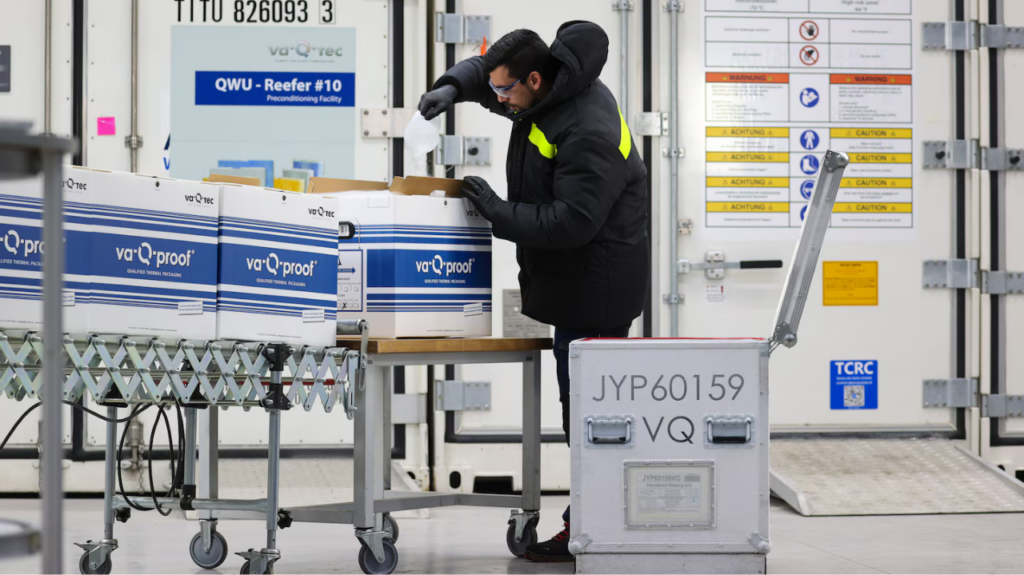
The pharmaceutical sector represents one of the most demanding users of cold chain logistics services in the UAE. Vaccines, biologics, insulin products, laboratory materials, and clinical trial shipments require validated temperature-controlled handling from manufacturing facilities to healthcare providers.
Strict regulatory compliance standards require documented temperature monitoring throughout transportation and storage stages. Logistics providers implement qualified packaging solutions and certified storage environments to ensure medical product efficacy remains intact.
The UAE’s position as a healthcare redistribution hub allows pharmaceutical cargo arriving via international flights to be rapidly redistributed across Gulf Cooperation Council countries, Africa, and South Asia.
Temperature-Controlled Food Supply Chains
Food logistics represents another critical application of cold chain infrastructure. Due to climatic conditions and high import dependency, the UAE relies heavily on temperature-controlled logistics to maintain national food supply stability.
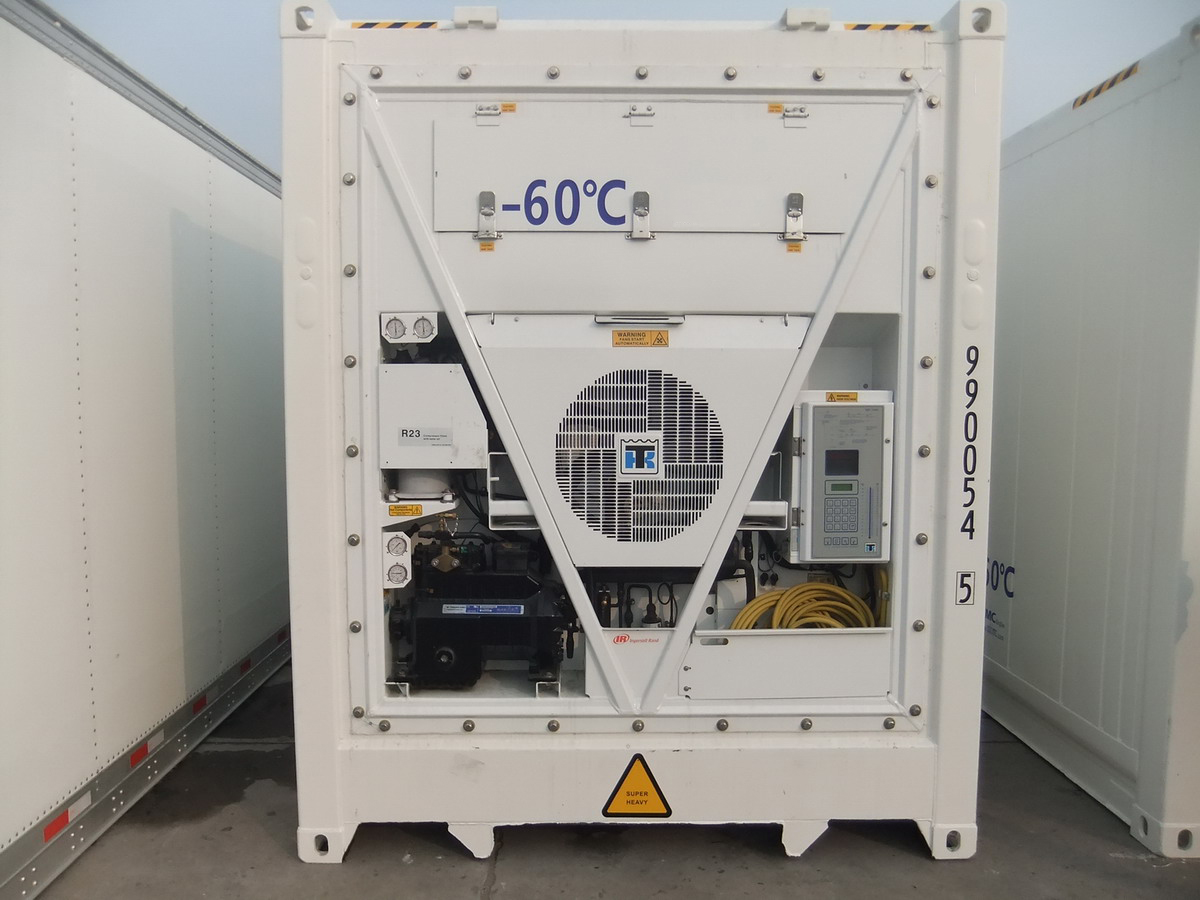
Fresh produce, seafood, dairy products, frozen foods, and meat shipments require uninterrupted refrigeration throughout transportation stages. Reefer containers used in sea freight maintain stable temperatures during long-distance shipping, while refrigerated trucking networks distribute goods efficiently across the Emirates.
Effective cold chain management minimizes spoilage, reduces waste, and ensures food safety standards are maintained from port arrival to retail distribution.
Multimodal Cold Chain Transportation in the UAE
One of the UAE’s strongest logistics advantages lies in its ability to integrate air, sea, and land transportation within a single cold chain ecosystem. Temperature-sensitive shipments frequently transition between transportation modes without breaking environmental control.
Air freight ensures rapid international delivery for urgent pharmaceutical cargo, while sea freight provides cost-effective transportation for large refrigerated shipments. Land transport networks equipped with temperature-controlled vehicles complete regional distribution across the GCC.
This seamless multimodal integration strengthens supply chain reliability while reducing operational risks.
Technology Driving Modern Cold Chain Logistics
Digital transformation continues to improve cold chain performance across UAE logistics operations. Internet-connected sensors allow real-time monitoring of cargo conditions, providing shipment visibility throughout transit.
Automated alert systems notify operators instantly if temperature variations occur, allowing corrective action before product integrity is compromised. Historical temperature data also supports regulatory audits and quality assurance requirements.
Technology-driven logistics solutions enhance transparency, efficiency, and customer confidence across temperature-sensitive supply chains.
Future Growth of Cold Chain Logistics in the UAE
Demand for cold chain logistics is expected to grow significantly as pharmaceutical innovation, biotechnology research, and food import volumes expand across the region. Government investments supporting healthcare infrastructure and food security initiatives continue to drive sector development.
Sustainability initiatives are also influencing cold chain operations, encouraging adoption of energy-efficient refrigeration technologies and environmentally responsible transport solutions.
With world-class logistics infrastructure and global connectivity, the UAE is positioned to remain a leading international hub for temperature-controlled supply chain solutions.
Frequently Asked Questions
Cold chain logistics ensures temperature-sensitive cargo remains within controlled conditions during transportation and storage.
Healthcare, pharmaceuticals, food distribution, biotechnology, and chemical industries depend heavily on cold chain services.
Frozen, chilled, and controlled ambient ranges are maintained depending on product requirements.
Yes, refrigerated containers and temperature-controlled air cargo facilities support multimodal transportation.
Its strategic location and advanced infrastructure make it a regional redistribution hub for temperature-sensitive cargo.

LBX Logistics is a Dubai-based logistics provider delivering reliable freight and supply chain solutions worldwide.