
Reefer Containers Explained: How Temperature-Controlled Shipping Works, Sizes, and Key Facts
Overview
A reefer container is one of the most critical assets in modern logistics, enabling the global transport of temperature-sensitive cargo across long distances without compromising quality. From fresh food and pharmaceuticals to chemicals and high-value perishables, reefer containers make it possible to maintain precise temperature conditions throughout the supply chain.
As demand for cold chain logistics continues to grow, understanding how reefer containers work, their specifications, and their operational requirements is essential for businesses involved in international trade. This article explains everything you need to know about reefer containers, including how they function, available sizes, temperature ranges, and key considerations for temperature-controlled shipping.
What Is a reefer container?
A reefer container, short for refrigerated container, is a temperature-controlled shipping container designed to transport perishable or sensitive goods. Unlike standard dry containers, reefers are equipped with an integrated refrigeration unit that maintains a consistent internal environment regardless of external conditions.
Reefer containers are used across multiple industries, including food and beverage, pharmaceuticals, agriculture, and chemicals. They are designed to preserve cargo integrity by controlling temperature, humidity, and airflow during transit.
These containers can operate across all major transport modes, including ocean freight, road transport, and rail, making them a flexible solution for global cold chain logistics.
How does a reefer container work?
A reefer container works by continuously circulating conditioned air through the cargo space to maintain a set temperature. The refrigeration unit does not simply cool the container; instead, it regulates temperature by removing heat and maintaining airflow.
The system operates using an external power source, which may come from a vessel, generator set (genset), or terminal power supply. Once powered, the reefer unit uses a refrigeration cycle similar to commercial cooling systems to control internal conditions.
Airflow is a critical component of reefer operation. Cold air is distributed evenly through the container, typically via a floor system designed to allow air circulation beneath the cargo. This ensures uniform temperature distribution and prevents hotspots that could damage goods.
Proper loading is essential for effective operation. Cargo must be stowed in a way that allows airflow to circulate freely, as blocked airflow can lead to temperature variations and product spoilage.
Temperature control and range
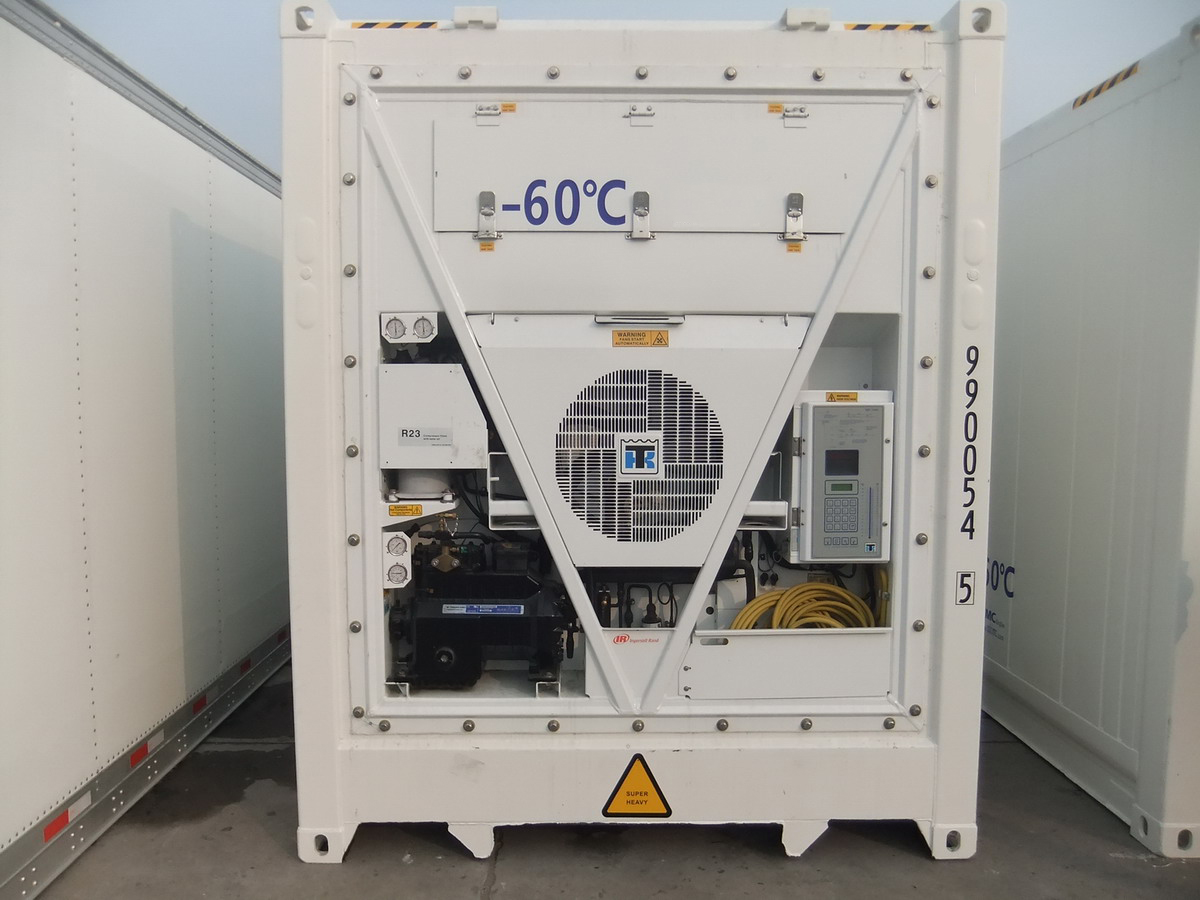
Reefer containers are capable of maintaining a wide range of temperatures, typically from -30°C to +30°C, depending on the cargo requirements. This flexibility allows them to handle frozen goods, chilled products, and temperature-sensitive materials.
For frozen cargo such as meat or seafood, temperatures are usually set below -18°C. Chilled cargo, such as fruits and vegetables, is transported at higher temperatures, often between 0°C and +10°C depending on the product.
Modern reefer containers are equipped with advanced control systems that allow precise temperature settings and continuous monitoring. Many units also provide data logging capabilities, enabling shippers to track temperature conditions throughout the journey.
In addition to temperature, some reefers offer humidity control and ventilation settings, which are particularly important for fresh produce and agricultural products.
Standard reefer container sizes and dimensions
Reefer containers are available in standardized sizes to ensure compatibility across global shipping networks. The most common sizes are 20-foot and 40-foot containers.
A 20-foot reefer container typically offers a capacity of around 28 cubic meters, making it suitable for smaller shipments or high-value cargo that requires strict temperature control. It is often used for pharmaceuticals, specialty foods, or limited-volume exports.
A 40-foot reefer container provides significantly more space, with a capacity of approximately 58 to 67 cubic meters depending on the model. This size is widely used for bulk shipments of perishable goods such as fruits, vegetables, meat, and dairy products.
High cube reefer containers are also available, offering additional height and increased storage capacity. These are commonly used when volume optimization is a priority.
Types of reefer containers
There are several types of reefer containers designed for different applications within cold chain logistics.
Integral reefers are the most common type and come with a built-in refrigeration unit. These containers are self-contained and can be connected to external power sources during transport.
Controlled atmosphere (CA) reefers are used for highly sensitive cargo such as fresh fruits. They regulate oxygen and carbon dioxide levels inside the container to extend shelf life and maintain product quality.
Modified atmosphere reefers offer similar benefits but are less complex than CA systems. They are often used for agricultural shipments where precise atmospheric control is not critical.
Some specialized reefers are designed for pharmaceutical logistics, offering enhanced temperature control, monitoring, and compliance with regulatory standards.
What products are shipped in reefer containers?
Reefer containers are used to transport a wide range of temperature-sensitive goods across industries.
In the food sector, they are commonly used for fresh produce, frozen meat, seafood, dairy products, and beverages. Maintaining consistent temperature is essential to prevent spoilage and ensure food safety.
In pharmaceuticals, reefers are used to transport vaccines, medicines, and biological products that require strict temperature control. Compliance with cold chain standards is critical in this sector.
Chemical products and certain industrial materials also require temperature-controlled transport to maintain stability and prevent degradation.
The versatility of reefer containers makes them a key component of global supply chains.
Key advantages of reefer containers
Reefer containers provide several advantages for businesses involved in temperature-controlled shipping.
They ensure product quality by maintaining consistent temperature conditions throughout transit. This is essential for perishable goods and high-value cargo.
They enable global distribution by allowing temperature-sensitive products to be shipped across long distances without compromising integrity.
They offer flexibility across multiple transport modes, including sea, road, and rail, making them suitable for complex logistics operations.
Advanced monitoring systems provide visibility and control, allowing shippers to track conditions and respond to any deviations.
Challenges in reefer container shipping
Despite their advantages, reefer containers also present certain operational challenges.
Power dependency is a key factor, as reefers require continuous power supply to maintain temperature. Any interruption can compromise cargo quality.
Proper loading and stowage are critical to ensure airflow and temperature consistency. Incorrect loading can lead to uneven cooling and product damage.
Cost is another consideration, as reefer shipping is typically more expensive than standard container transport due to equipment and energy requirements.
Additionally, capacity constraints can occur during peak seasons, particularly for agricultural exports, making early planning essential.
How to choose the right reefer container for your shipment
Selecting the right reefer container involves more than just choosing a size.
Businesses must consider temperature requirements, cargo sensitivity, transit time, and regulatory compliance. Proper planning ensures that the container configuration aligns with the specific needs of the shipment.
Working with experienced logistics providers can significantly reduce risk and improve efficiency. They can advise on container selection, loading practices, and monitoring requirements.
Conclusion
Reefer containers are an essential component of modern logistics, enabling the safe and efficient transport of temperature-sensitive goods across global supply chains. By maintaining precise temperature conditions, they protect product quality, extend shelf life, and support international trade.
Understanding how reefer containers work, their specifications, and their operational requirements is critical for businesses involved in cold chain logistics. As demand continues to grow, companies that invest in proper reefer logistics solutions will be better positioned to meet market demands and maintain competitive advantage.
Frequently Asked Questions
A genset (generator set) provides power to reefer containers during road transport when no external power source is available. It ensures continuous temperature control throughout inland movement.
Yes, reefer containers are widely used for pharmaceuticals, chemicals, cosmetics, and other temperature-sensitive goods that require controlled environments during transport.
Modern reefer containers are equipped with sensors and data loggers that track temperature in real time. Some systems allow remote monitoring, enabling quick response to any deviations.
The duration depends on external conditions and cargo type, but temperature can start to drift within a few hours. For sensitive cargo like pharmaceuticals or fresh produce, even short power interruptions can cause damage.
Reefer container shipping costs vary depending on route, container size, cargo type, and season. Rates are typically higher than standard containers due to refrigeration, fuel consumption, and limited equipment availability, especially during peak seasons.