
Chemical Logistics Explained: How Chemical Shipping Works, Regulations, Costs, and How to Avoid Delays
Overview
Chemical logistics is one of the most searched and least understood areas in global freight. Businesses looking for chemical shipping solutions, dangerous goods transport, and hazmat logistics services often run into the same issue: shipments get delayed, rejected, or stuck in the system without clear answers.
The reason is simple. Chemical logistics is not just transport. It is a regulated process where classification, compliance, packaging, and documentation determine whether cargo moves or stops. Unlike general freight, you cannot fix issues during transit. Everything must be correct before the shipment begins.
For companies shipping chemicals internationally, understanding how chemical logistics works is the difference between smooth operations and constant disruption.
How chemical shipping works step by step in the supply chain
Chemical shipping starts at the origin, not at the port. The process begins with product classification, where the chemical is assigned a UN number, hazard class, and packing group. This step determines the entire logistics strategy.
Once classified, the product must be packed using UN-certified packaging that meets dangerous goods requirements. The packaging must prevent leaks, withstand pressure, and remain stable during transport. Incorrect packaging is one of the most common reasons for shipment rejection.
Documentation is then prepared, including dangerous goods declarations and safety data sheets. These documents must match the cargo exactly. Even small inconsistencies can result in delays at acceptance or customs.
Transport planning comes next, but this is not standard booking. Not all carriers accept chemical cargo. Airlines, shipping lines, and trucking companies apply strict rules on hazardous materials. This means routing is based on compliance, not just cost or transit time.
Once in transit, the shipment moves through controlled environments where handling conditions must be maintained. This may include temperature-controlled logistics, segregation from incompatible goods, and specialized storage.
At destination, chemical shipments go through customs clearance where authorities verify compliance. If everything matches, the cargo is released. If not, it is held until issues are resolved.
Chemical shipping regulations that control every shipment
Chemical logistics is governed by global regulations that apply across all transport modes. These regulations ensure that hazardous materials are handled safely and consistently worldwide.
Air freight follows strict dangerous goods rules due to the higher risk environment. Sea freight allows larger volumes but still enforces classification, packaging, and documentation standards. Road transport connects these systems and must comply with regional regulations.
These regulatory frameworks are not optional. They are enforced by carriers, terminals, and authorities at multiple checkpoints. This is why chemical shipments are reviewed several times before they move.
Companies searching for chemical logistics services or hazardous materials shipping solutions often underestimate how strict these controls are. Compliance is not a step in the process. It is the process.
Why chemical shipments get delayed or rejected
Most chemical shipping delays are not caused by transport capacity. They are caused by compliance failures that occur before the shipment starts.
Incorrect dangerous goods classification is one of the biggest issues. If the UN number or hazard class is wrong, the shipment will not be accepted. This problem often comes from outdated or inaccurate safety data.
Documentation errors are another major cause. When the declaration does not match the cargo or packaging, the shipment is flagged. This can happen during booking, acceptance, or customs clearance.
Packaging is also a critical factor. Using non-compliant packaging leads to immediate rejection. Even if the cargo is physically secure, it must meet regulatory standards to move.
Carrier restrictions add another layer of complexity. Not all carriers accept all types of chemicals. Without proper planning, shipments can be delayed while alternative options are arranged.
Chemical logistics costs and what drives pricing
Chemical logistics costs are higher than standard freight due to compliance requirements, specialized handling, and limited carrier availability.
Pricing is influenced by several factors, including the type of chemical, hazard classification, packaging requirements, and transport mode. Air freight for dangerous goods is significantly more expensive due to restrictions and limited capacity.
Additional costs may include documentation handling, dangerous goods surcharges, inspection fees, and specialized storage. Delays can further increase costs through storage charges and rehandling.
Companies searching for chemical shipping cost or hazmat freight rates should understand that pricing is directly linked to compliance complexity. The more regulated the cargo, the higher the cost.
The role of cold chain and specialized chemical transport
Some chemicals require controlled temperature conditions during transport. This adds another layer of complexity to chemical logistics.
Temperature-sensitive chemicals must be transported using reefer containers or temperature-controlled air freight solutions. Any deviation can affect product stability and safety.
This is common in pharmaceuticals, specialty chemicals, and certain industrial products. These shipments require continuous monitoring and strict handling procedures.
Cold chain chemical logistics is one of the fastest-growing segments in the industry, driven by demand for sensitive and high-value products.
What chemical logistics means in real operations
Chemical logistics refers to the transport, storage, and handling of chemical products, including hazardous materials classified as dangerous goods. This includes industrial chemicals, petrochemicals, specialty chemicals, and regulated substances that require controlled movement.
The complexity comes from regulation. Every shipment must comply with international dangerous goods regulations for air freight, sea freight, and road transport. These rules define how chemicals are classified, packed, labeled, documented, and transported.
This means chemical logistics is not flexible. It is a controlled system where every shipment is checked multiple times before it is allowed to move. If one element does not align, the shipment is delayed or rejected.
Why businesses need specialized chemical logistics providers
Chemical logistics requires expertise that goes beyond standard freight forwarding. It involves regulatory knowledge, technical understanding, and operational control.
Companies that rely on general logistics providers often face repeated delays because chemical shipments require specialized handling. Working with experienced providers reduces risk and ensures compliance.
A strong chemical logistics partner manages classification, documentation, packaging, and transport planning as a single controlled process. This approach prevents issues before they occur.
Businesses searching for chemical logistics companies or dangerous goods shipping experts should focus on experience and compliance capabilities, not just price.
Conclusion
Chemical logistics is a system where compliance controls movement, and preparation determines success. It is not just about shipping chemicals. It is about managing risk, following regulations, and ensuring that every detail aligns before the cargo moves.
Businesses that understand this process reduce delays, control costs, and improve supply chain reliability. Those that do not continue to face disruptions that could have been avoided.
In chemical logistics, nothing moves without precision. And when everything is done correctly, the system works exactly as it should.
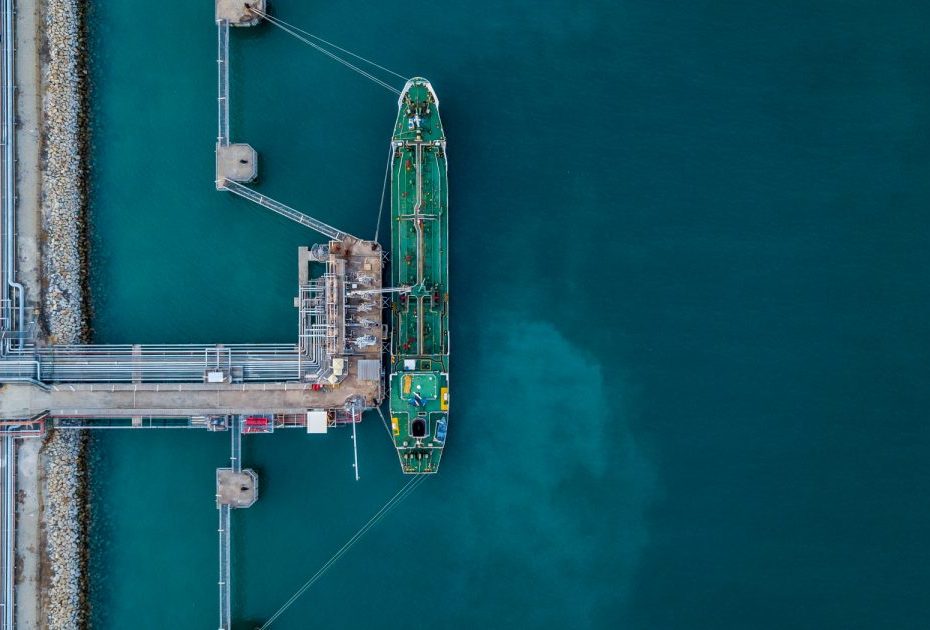
Chemical Logistics
From hazardous materials to non-hazardous bulk chemicals, we deliver fully integrated logistics solutions engineered around regulatory compliance, product integrity, and operational efficiency.
Frequently Asked Questions
Chemical logistics refers to the transport and handling of chemical and hazardous materials under strict regulations. Unlike general freight, chemical shipments require classification, certified packaging, and compliance with dangerous goods regulations, making the process more controlled and complex.
Shipping dangerous goods internationally involves proper classification under UN standards, compliant packaging, accurate documentation, and booking with carriers that accept hazardous cargo. The shipment must also meet air, sea, or road transport regulations depending on the route.
Chemical shipments are typically delayed due to incorrect classification, documentation errors, or non-compliant packaging. Carrier restrictions and regulatory inspections can also cause delays if the shipment does not meet all safety and compliance requirements.
Chemical logistics costs depend on the type of chemical, hazard classification, transport mode, and destination. Hazardous materials shipping is generally more expensive than standard freight due to compliance requirements, specialized handling, and limited carrier availability.
Chemical shipping is governed by international dangerous goods regulations for air, sea, and road transport. These rules define classification, packaging, labeling, and documentation requirements to ensure safe handling and transport of hazardous materials.